
How Come The Row Handbags Manage to Keep Their Worth Year After Year
Question any consignment buyer or consignment specialist about which bags they compete for, and The Row comes up right away. The house isn’t one built on seasonal noise, nor on short-lived hype. Its foundation lies in the raw materials, the construction methods, and a design outlook that refuses to chase trends. Precisely because of this stance the row bags perform so differently from the majority of luxury accessories after leaving the boutique and reach the resale world.
The bulk of luxury handbags lose value as soon as they leave the shop, occasionally shedding 40 to 60 percent of what they originally cost within the first year. This is not the case with The Row’s bags. A few specific designs, especially the Margaux, have been reported reselling at or near original retail price, and in rare cases exceeding it, contingent upon leather type, condition, and demand at the time of sale. Understanding why requires looking at how the brand approaches design, sourcing, and scarcity — three factors that rarely align this exactly in the fashion industry.
The Design Ethos That Drives Lasting Value
The Row, founded by Mary-Kate and Ashley Olsen, has grounded its brand in restraint. There are no interlocking logos, no limited-edition charm lines, no rotating seasonal palettes designed to expire the row banana bag in relevance after six months. The row fashion approach treats clothing and accessories as lasting style investments rather than throwaway fashion moments. This matters enormously for resale value because buyers aren’t purchasing a “moment” — they’re purchasing a shape and a material that will remain just as relevant five or ten years from now.
Contrast it with bags built around a specific print, a specific hardware trend, or a specific silhouette bound to a particular runway season. Those items visibly date themselves. A row bag, by contrast, is designed to sit outside of time. The Margaux, the Ascot, and the tote styles all share this quality: understated silhouettes, sparse hardware, and proportions that don’t reference any particular era of fashion.
This outcome is deliberate. Designers are said to invest extended development cycles — occasionally exceeding a year — perfecting a single bag shape before it goes into production. This measured pace shows up later as lasting worth, because the bag was free from trend dependency to begin with.
The Craftsmanship and Materials Behind the Bags
The Row’s bags are made using premium-grade leather, often sourced from Italian and French tanneries known for furnishing top-tier luxury houses. The leather is thick, the grain is even, and the finishing is done by hand in intimate studios rather than mass-production facilities. This has a direct impact on how the bag ages. A well-tanned leather bag acquires a patina over years of use rather than cracking, peeling, or losing structure.
Stitching density is another overlooked consideration. Whereas a mass-produced bag often uses a single row of strengthened stitching at pressure points, row bags typically display tighter, more consistent stitch work throughout the seams — tangible evidence of patient, more meticulous manufacturing. Hardware components, where included, tends to be solid rather than plated, which resists tarnishing over years of handling.
Far from marketing spin, this comes down to structure. A bag that holds its shape after three years of regular use is a bag that remains photogenic on a resale listing, still fetches a solid price, and still functions as intended. People digging into row bags overview information consistently cite this durability as the reason they’re willing to pay near-retail prices secondhand.
Limited Availability and Narrow Distribution Channels
Oversupply simply isn’t part of The Row’s strategy. Pieces are manufactured in small runs and sold through a limited number of boutiques and select department stores, plus the brand’s own e-commerce channel. There is no outlet division, no bulk markdown channel, and historically very few markdown events. This restricted availability is a key driver of resale strength.
When a row sale does happen — typically during periodic seasonal adjustments — it tends to involve modest price reductions rather than the 50-70 percent slashes common at other luxury houses. Because deep discounting is rare, secondhand buyers don’t count on locating the row bag they want at a dramatic markdown, so they’re willing to pay almost full price on the resale market instead.
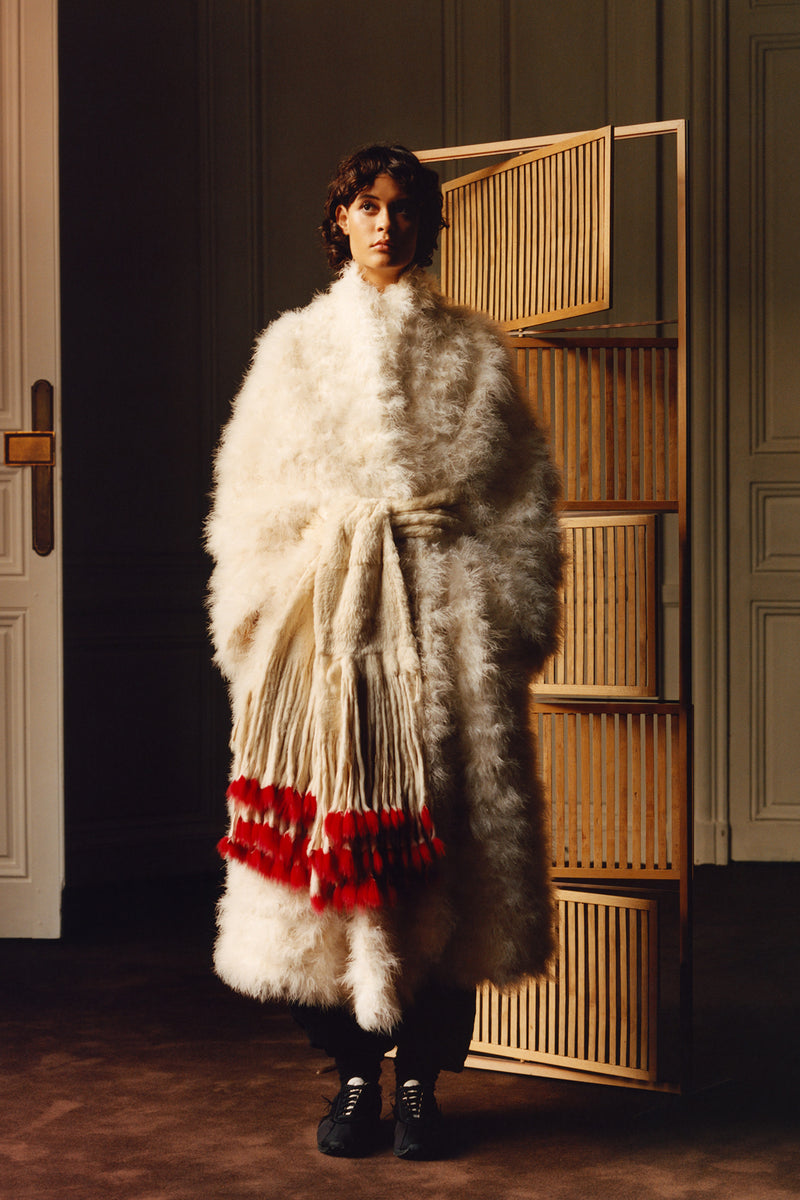
Restricted distribution further means fewer bags are in circulation at any given time. If you’re wondering where to buy the row margaux bag, the honest answer is that options are tighter than with most luxury brands: the brand’s own site, a handful of luxury retailers, and authorized boutique locations. That narrow funnel keeps supply tight relative to demand, which is one of the most basic and reliable drivers of price stability in any resale market.
Comparing The Row’s Most Discussed Styles
Some row handbags simply outperform others when it comes to resale worth. A few styles have outpaced others in reputation based on demand, versatility, and how identifiable the silhouette has become. Here’s a rundown of some of the most sought-after styles among resale buyers and stylists tracking the best row bags in 2026.
| Style | Shape Category | Secondhand Demand | Ideal For |
|---|---|---|---|
| Margaux | Tote with structured form | Remarkably robust | Office and routine use |
| Classic The Row Tote Bag | Loose-structured, large tote | Strong | Trips and routine outings |
| Ascot | Top-handle style | Medium-to-high | Special occasions and evenings out |
| Half Moon shape | Shoulder bag with curved shape | Moderate | Laid-back day-to-day wear |
That Margaux style consistently dominates lists of top row bags because of its flexible form — it works just as effectively as a workwear piece or a downtime companion. The classic the row tote bag comes in a close second, admired for its generous storage and low-key labeling, so it matches easily with nearly any wardrobe. Bags with a structured build, such as the Margaux generally retain worth a bit more than completely soft-shaped bags simply because they show wear more slowly.
How The Row Compares to Other Investment Brands
High-value handbag categories typically come from a limited handful of labels: Hermès, Chanel, and a handful of others where demand consistently outpaces supply. The Row is a more recent addition to that discussion, but its resale performance has already begun to be measured against these well-known houses. Differing from Hermès, The Row doesn’t operate a waitlist system, but its capped output produce a comparable sense of rarity without requiring years of patience.
What sets the row bags apart from other “quiet luxury” competitors is consistency. While certain minimalist labels change up their shapes each season, The Row holds onto its foundational shapes across many years, occasionally introducing new shades or hide finishes without ever fully redesigning the form. That ongoing consistency builds trust among buyers, whether buying new or used, because they understand the bag they’re purchasing will not be phased out or overshadowed by whatever comes next season.
The upshot is that used pieces stay aesthetically aligned with current collections, so resale demand remains stable rather than hinging entirely on each new release.
What to Know Before Buying in 2026
If you’re shopping with resale value in mind, how well-kept and well-documented a piece is carries major weight. Original receipts, dust bags, and authenticity cards all add measurable value to a secondhand row bag. Leather color also matters: neutral tones like black, tan, and taupe usually perform better on resale than one-off seasonal colorways, since they pair with more types of clothing.
Timing a purchase around a row sale can work in your favor, but don’t anticipate major price cuts — a 15-20 percent reduction is the norm compared to the deep discounts seen elsewhere. For those specifically trying to find the row margaux bag at a reasonable price, it’s wisest to explore both official brand outlets and reputable authenticated resale platforms, since supply varies and counterfeit items are a real risk given the brand’s growing visibility.
Fundamentally, the row bags stay valuable because every piece of the puzzle — aesthetic, materials, supply strategy, and brand restraint — points in the same direction. That alignment is rare in fashion, and this is the reason these bags have become some of the steadiest, low-key investment pieces in the current handbag market.
